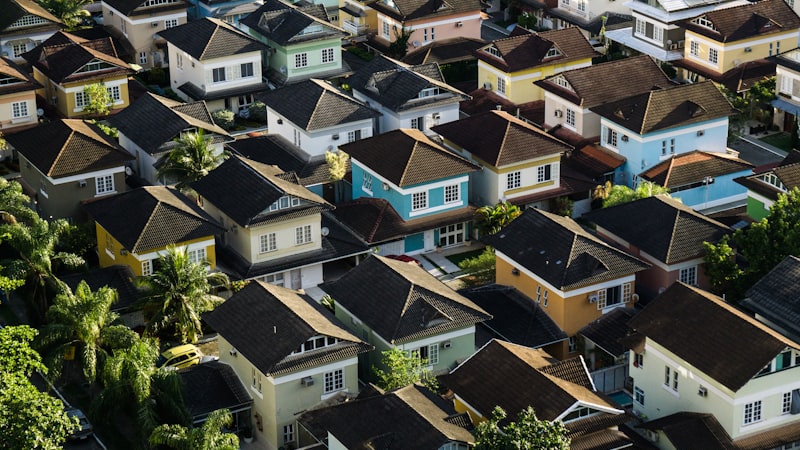
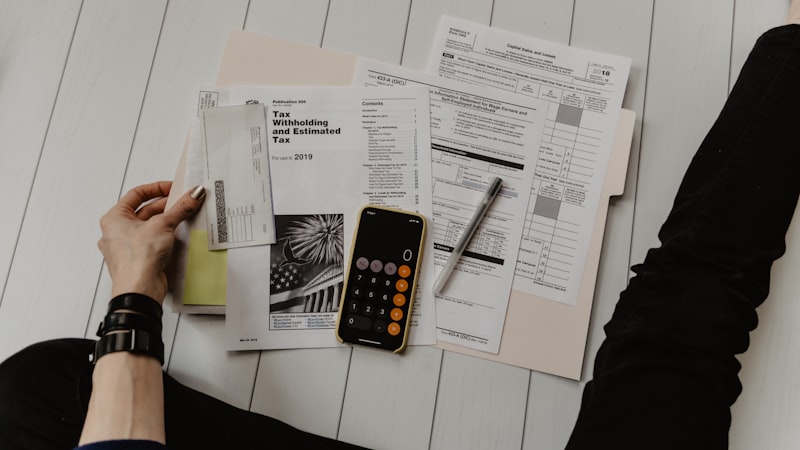
Of all the documents you have to provide to sell or let a property in France, this one has a peculiarity: it expires.
Six months, and you have to redo it. Which means it is the only one an owner will produce several times in their life, sometimes several times a year if they let property.
It is also one of the few that costs nothing to produce.
What it is
The état des risques et pollutions (statement of risks and pollution) tells the buyer or tenant which risks the property is exposed to:
- natural hazards: flooding, ground movement, drought and clay shrink-swell, earthquakes, avalanches, forest fires
- mining hazards
- technological hazards: proximity to classified industrial sites, pipelines carrying hazardous materials
- soil pollution and soil information sectors
- radon, depending on the commune's potential
- coastal retreat, in the communes concerned
Why it should cost nothing
The data comes from Géorisques, the public service that centralises risk information. It is open and free, and the official ERRIAL tool lets you produce the document from the address or the cadastral reference.
There is no reserved profession: the rules say the état des risques is filled in by the seller or landlord. No certified diagnostician is required, unlike the DPE (energy performance diagnosis) or asbestos reports.
Some websites still sell it for twenty to sixty euros. What they are selling is the formatting.
The six months that catch people out
The statement must be dated less than six months before the day of signing.
The classic scenario: statement produced at the preliminary contract (compromis), notary appointment seven months later, document expired. It is not a disaster (it can be redone in minutes), but it is one more thing to manage on the day.
The practical rule: redo it just before each step, not once and for all.
What you risk if you forget it
Failing to provide the risk information is not just a formal irregularity. Depending on the case, the buyer or tenant can ask for the contract to be cancelled or for a price reduction.
In other words: a free document whose omission can cost part of the sale price.
What it does not replace
It is not a technical survey. It says the property is in a hazard zone, not that the building is fragile.
It is not the DPE. The energy performance diagnosis is a separate document, carried out by a certified professional.
It says nothing about ownership. For that, the état hypothécaire. How to get it.
It says nothing about what can be built. For that, the certificat d'urbanisme, even though the two overlap on easements. Which one to ask for.
What you need to produce it
The address and, ideally, the cadastral reference: commune, section, parcel number. For bare land or a parcel with no street number, the cadastral reference is the only reliable identifier.
That is exactly what the French cadastral map gives you when you click the parcel: full reference, coordinates and boundaries on the aerial photo. With that, the official tool produces the document in a few minutes, and it will have cost you nothing. For visits, the Catastro GPS app shows the parcel and your position on your phone.